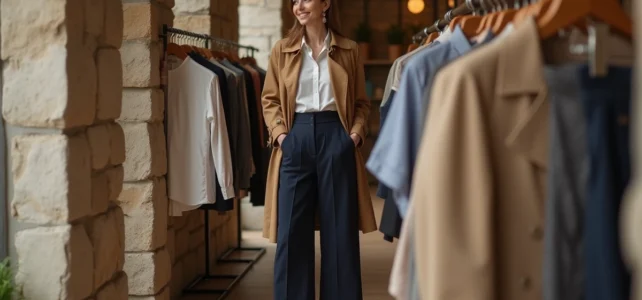
Have you ever noticed that an outfit can look perfect on a mannequin but fall completely flat in your daily life? The problem rarely lies with the clothes themselves. It’s more about how we choose, combine, and adapt them to our real lives.
Enhancing your style every day doesn’t require a complete overhaul: a few targeted adjustments to materials, cuts, and combinations are enough to transform an ordinary wardrobe into something cohesive and personal.
Technical fabrics for everyday: the real lever for a comfortable style
Most fashion advice focuses on colors or cuts. They overlook a major change: technical fabrics have moved from the sports aisle to everyday clothing. Odor-resistant shirts, high-performance stretch dress pants, thermoregulating jackets – these pieces now come in stylish versions.
Specifically, this means that a stretch poplin shirt allows you to go from a bike ride to a meeting without changing outfits. An elastic-waist straight-cut pant replaces rigid chinos without sacrificing style. According to LooknBe, brands are betting on hybrid materials that allow you to “run for the subway like in leggings, while being dressed for the office.”
Before buying a piece, touch the fabric. Stretch it. Check its composition. A garment that accompanies you from morning to night without wrinkling or discomfort is already a piece that enhances your style because you will actually wear it instead of leaving it in the closet. This approach can also be found on La Petite Emma’s fashion section, which prioritizes wearable pieces for everyday rather than impulse buys.
Workleisure look: pairing a soft blazer and sneakers without a hitch
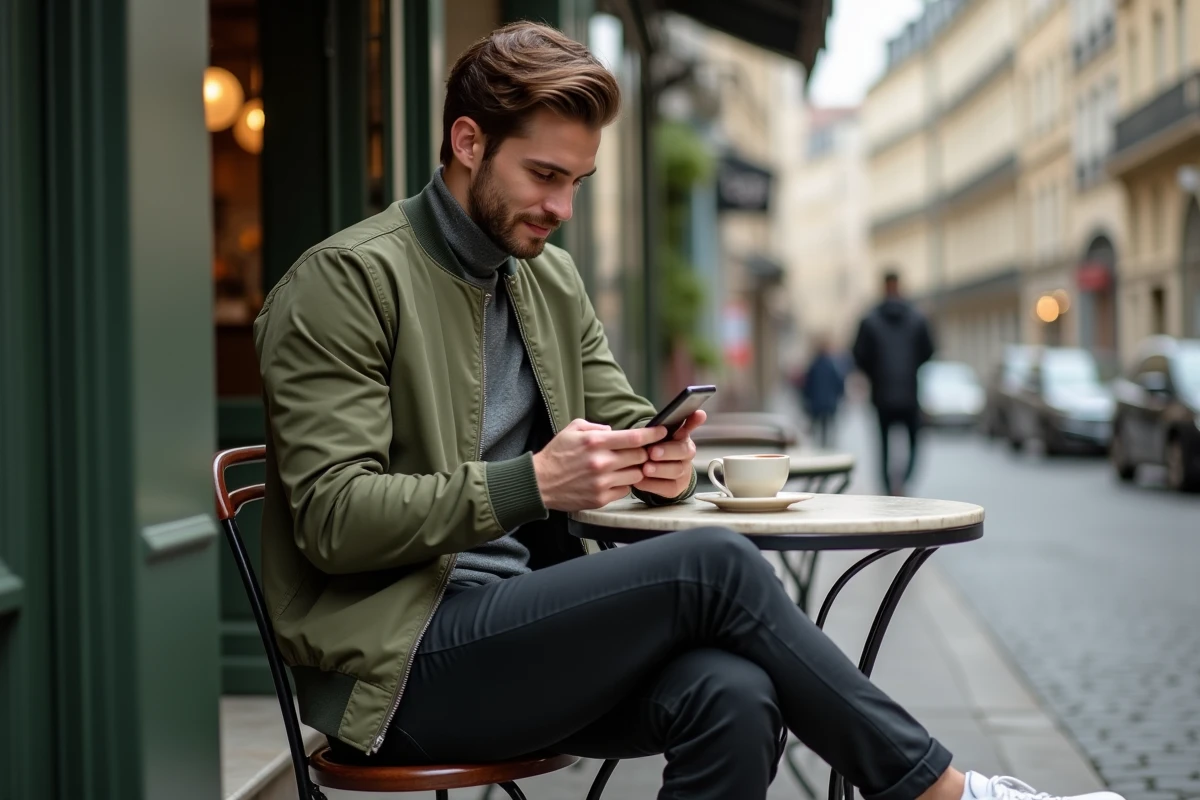
The “workleisure” dress code has firmly established itself over the past few seasons. The idea is simple: combine pieces borrowed from the office wardrobe with casual elements. An unlined blazer worn over a clean t-shirt, wide fluid pants tucked into white sneakers – the formula works because it relies on a precise balance between structure and relaxation.
Bréal, for example, now structures its style advice around the balance of “style, femininity, and comfort” and offers relaxed versions of the suit. It’s no coincidence: the fluid elastic-waist pant is gradually replacing the slim fit at the office.
Three pieces to create a cohesive workleisure look
- A soft, unlined blazer in a slightly stretchy fabric. It adds structure to any outfit without stiffening the silhouette. Opt for a straight cut that falls at the hips.
- A wide pleated pant in fluid fabric. Worn with clean sneakers, it maintains a polished look while being as comfortable as joggers. Avoid overly flared models at the bottom that weigh down the silhouette.
- A pair of minimal sneakers, in leather or thick canvas, in a neutral color. They bridge the dressed-up top with the casualness of the whole.
The most reliable rule to avoid slipping into negligence: always keep at least one structured piece in your outfit. A blazer, fitted shirt, or visible belt – just one element is enough to hold everything together.
Building outfits by color blocks rather than isolated pieces
You buy a top you like, then a pair of pants separately, and when it comes time to combine them, nothing matches. This problem affects the majority of wardrobes. The solution lies in a change of method: think in palettes of a maximum of three colors per outfit.
Start with a neutral base (navy, beige, gray, black). Add a medium color that frequently appears in your wardrobe. Finish with a brighter accent, reserved for accessories or a single piece. This block approach makes each garment combinable with several others.
Applying the three-color rule daily
Arrange your clothes by color families rather than by categories (pants, tops, jackets). You will immediately see which combinations work. A wardrobe organized by color also reveals gaps: if you have six white tops but no light bottoms to pair them with, the next purchase becomes obvious.
Color trends change each season, but a stable personal palette avoids impulsive purchases. Butter yellow or terracotta can be your accent if those shades suit your complexion. Test in-store before following a trend seen on Pinterest.
Fashion accessories: the detail that changes an entire outfit
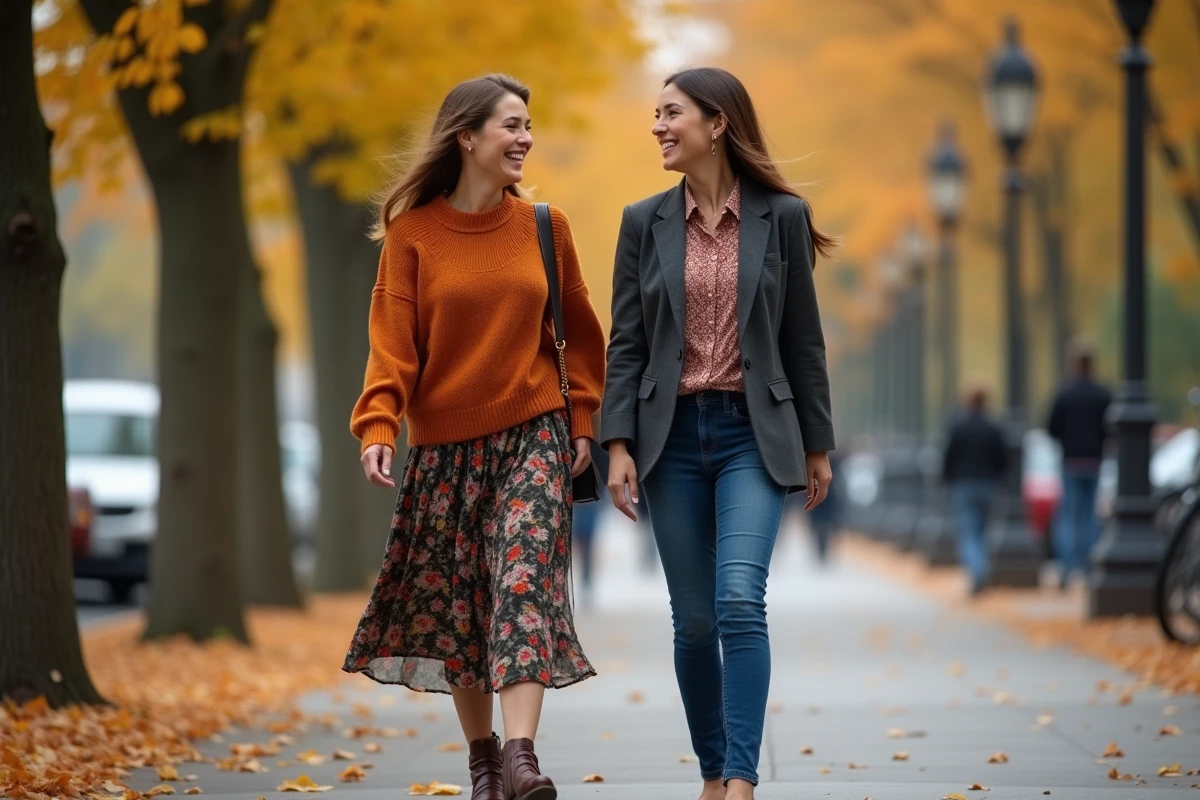
A belt, a bag, a pair of earrings – accessories have a disproportionate power relative to their size. They guide the perception of an outfit. The same jeans and sweater can shift from a casual vibe to a polished look with a leather belt and pointed-toe ankle boots.
You don’t need ten bags. Two are sufficient if their sizes cover your actual uses: a structured model for the week, a softer one for the weekend. Apply the same logic to jewelry and shoes.
- Choose accessories in the same metal family (gold or silver) to unify your outfits effortlessly.
- A watch, a ring, and a bracelet in the same tone create a visual thread, even on a very simple outfit.
- Invest in quality shoes rather than trendy pieces: shoes are the first element noticed in a silhouette.
Everyday fashion isn’t about major transformations. It’s built through repeated, consistent choices that suit your body shape and lifestyle. A wardrobe focused on pleasant materials, compatible colors, and a few well-chosen accessories does more for your style than a closet overflowing with trendy pieces worn only once.