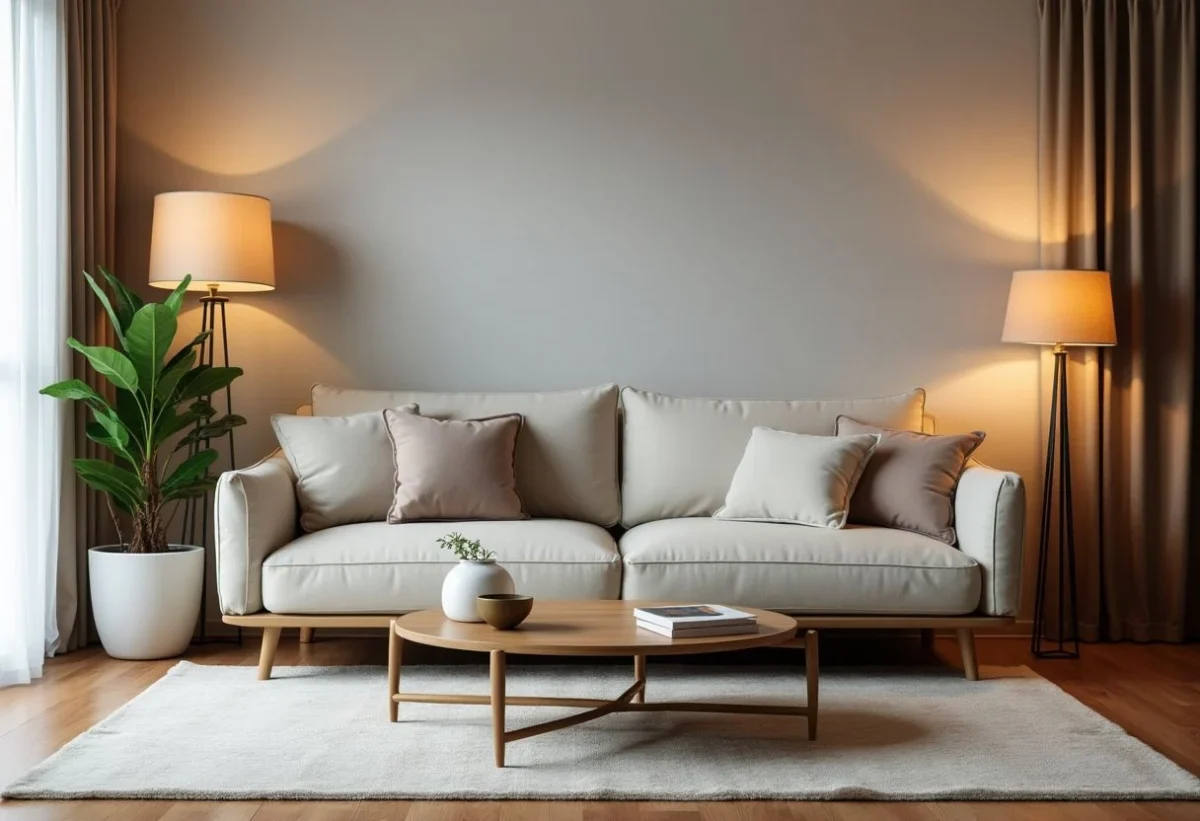
The sofa, this central element of our living rooms, embodies much more than just a piece of furniture. A masterpiece around which family life and moments of relaxation converge, it is the silent witness to our lively discussions, our television evenings, and the moments when we indulge in reading a good book. This seemingly simple piece of furniture hides a wealth of stories and details that make it a must-have in modern furnishings. Of ancient origin, the sofa has evolved to become a reflection of our lifestyle, combining comfort and aesthetics. How did it become such an essential part of our homes? What are the criteria that determine its choice?
Origins and Evolution of the Sofa
The sofa as we know it today is the result of a long evolution. Its origins date back to Antiquity, when the first forms of upholstered seating appeared.
- Antiquity: In ancient Egypt, the sofa was the privilege of the elite. Stone or wooden benches covered with precious fabrics were used for resting.
- Middle Ages: Seating evolved little, remaining rigid and uncomfortable. It was not until the Renaissance that seating began to gain comfort with the addition of cushions.
- 17th and 18th centuries: The appearance of the sofa as we know it. Talented craftsmen created more elaborate models, often adorned with carvings and embroidery.
- Modern era: The sofa became accessible to a wider audience thanks to industrialization and material innovation. It was a period of varied stylistic experimentation.
The Different Types of Sofas
There is a wide variety of sofas, each catering to different needs and styles. The choice of a sofa is often dictated by the available space, aesthetic preferences, and desired comfort.
Here are some popular types of sofas:
- Corner sofa: Ideal for optimizing space and creating a cozy nook.
- Sofa bed: Practical for small spaces, it transforms into a bed to accommodate guests.
- Modular sofa: Offers maximum flexibility with its interchangeable modules.
- Chesterfield sofa: A timeless classic with characteristic tufting, synonymous with elegance.
Materials and Manufacturing Techniques
The quality of a sofa lies in the choice of materials and manufacturing techniques. Each element, from the frame to the seat, contributes to the comfort and durability of the piece.
Commonly used materials include:
- Solid wood: Used for the frame, it ensures robustness and stability.
- High-density foam: For the seat, it guarantees lasting comfort.
- Fabrics and leathers: Chosen for their durability and aesthetics, they provide the finishing touch to the sofa.
- Springs: Integrated into the seat for optimal support.
The Sofa in Contemporary Living
In our modern interiors, the sofa is much more than just a seat. It becomes a true design object, reflecting our personality and tastes.
Current trends include:
A growing interest in eco-friendly materials and minimalist designs. There is a return to neutral colors, which facilitate the integration of the sofa into various interior styles.
Modular shapes are gaining popularity, allowing for the reimagining of space according to needs.
Finally, collaborations between famous designers and major brands redefine the sofa as a central piece of contemporary living.