The optimization of human resource management has become a central quest for companies eager to improve their productivity and workplace well-being. In this dynamic, the market is brimming with innovative solutions. These tools, often rooted in information technology, aim to simplify processes, better manage talent, and automate time-consuming administrative tasks. From integrated management software to collaborative platforms and artificial intelligence for recruitment, innovations are profoundly transforming HR practices, paving the way for more nuanced strategies and data-driven decisions.
Innovative Solutions for Optimized HR Management
In the relentless dance of innovations, the innovative solutions on the market outline the contours of a reimagined human resource management. Pioneers of this transformation, digital tools such as ‘HR4You’ are establishing themselves as catalysts for efficiency, opening up horizons where talent management and talent attraction flourish within a dynamic corporate culture.
Consider the significance of circular economy in business: it is no longer just a trend, but a reality that, when applied to human resource management, revolutionizes work methods. This concept, which advocates for reduction, reuse, and recycling, acts as a driver of employee engagement, while enhancing employer attractiveness. Companies that integrate these principles into their HR management do not settle for a responsible environmental approach; they also gain competitiveness by attracting professionals seeking meaning in their work.
HR innovation fosters a collaborative vision of professional training, encouraged by the circular economy. Learning and skill development platforms are multiplying, allowing employees to cultivate a rewarding quality of life at work. Companies that invest in these technologies see their culture evolve, thereby fostering an atmosphere conducive to creativity and autonomy.
Consider the impact of an ecologically-oriented human resource management on talent attraction. Young professionals, sensitive to environmental issues, are increasingly turning to organizations that demonstrate a genuine commitment to sustainability. This trend translates into a marked preference for companies that not only talk about environmental values but actively integrate them into their daily operations, thus becoming employers of choice for tomorrow’s talent.
Impact and Integration of HR Technologies in Business Strategies
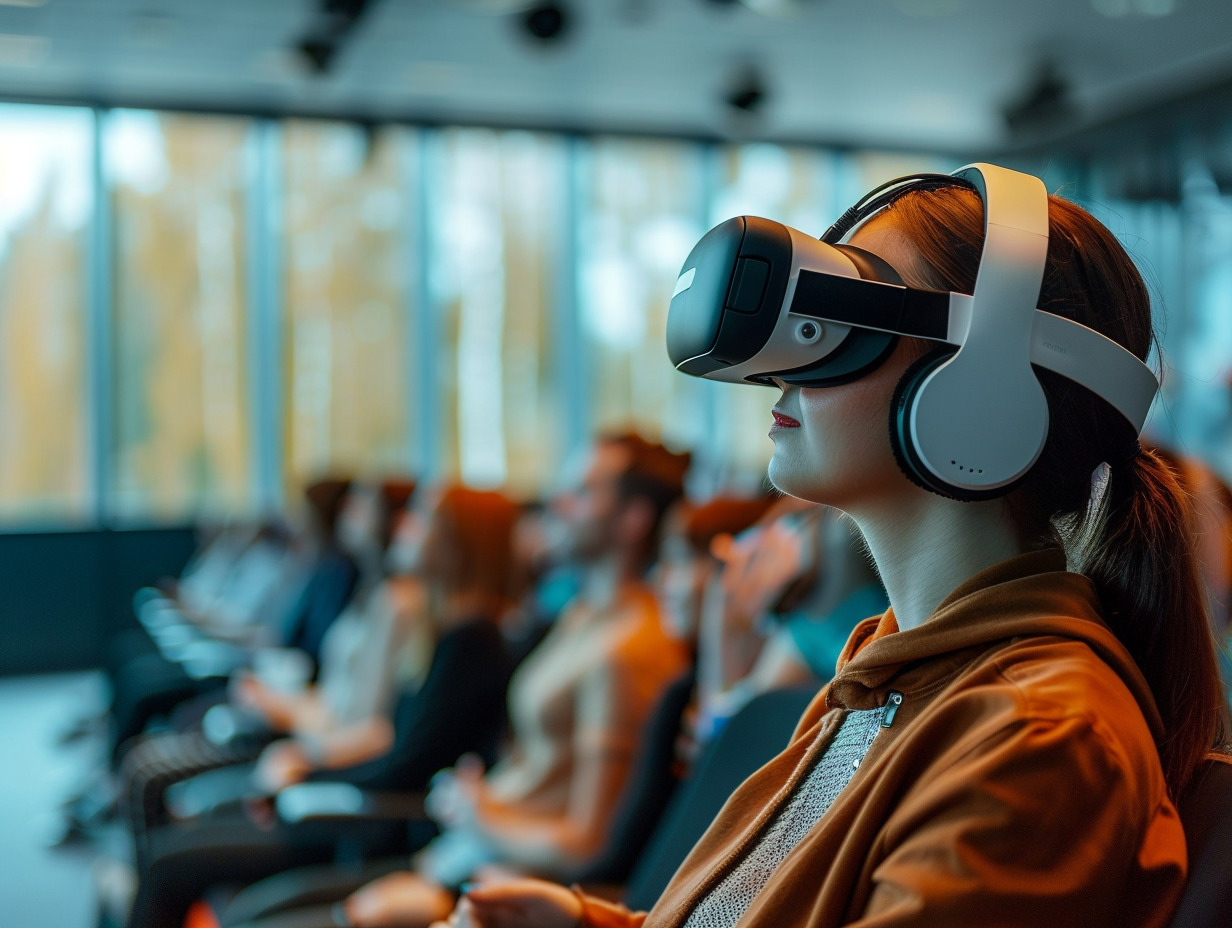
The rise of HR technologies is a fundamental component of modern business strategies. The digitalization of HR processes, the focal point of this revolution, translates into an increased capacity to optimize resource management. Artificial intelligence and HR data analytics are now at the heart of a framework aimed at refining decision-making, improving operational efficiency, and personalizing the employee experience. These tools, far from being mere technological gadgets, assert themselves as vectors of transformation, enabling companies to adapt with agility to market fluctuations and employee aspirations.
In this dynamic, cost optimization in human resources proves to be a tangible benefit. Indeed, better utilization of resources, coupled with a reduction in unnecessary expenses, allows for significant savings. These savings can then be reinvested in health and safety at work programs or in initiatives that enhance the search for meaning at work, thus meeting the contemporary expectations of employees. Technology, by making processes more economical and smarter, directly contributes to creating a healthier and more fulfilling work environment.
HR data analytics emerges as a pillar of strategic talent management. The data collected and interpreted by advanced systems provide deep insights into employee needs and performance, facilitating the alignment of individual goals with the overall objectives of the company. This analytical approach allows companies to stay ahead of market trends, anticipate skill needs, and implement proactive talent attraction and retention strategies, thereby ensuring a competitive edge in an increasingly competitive and dynamic economy.