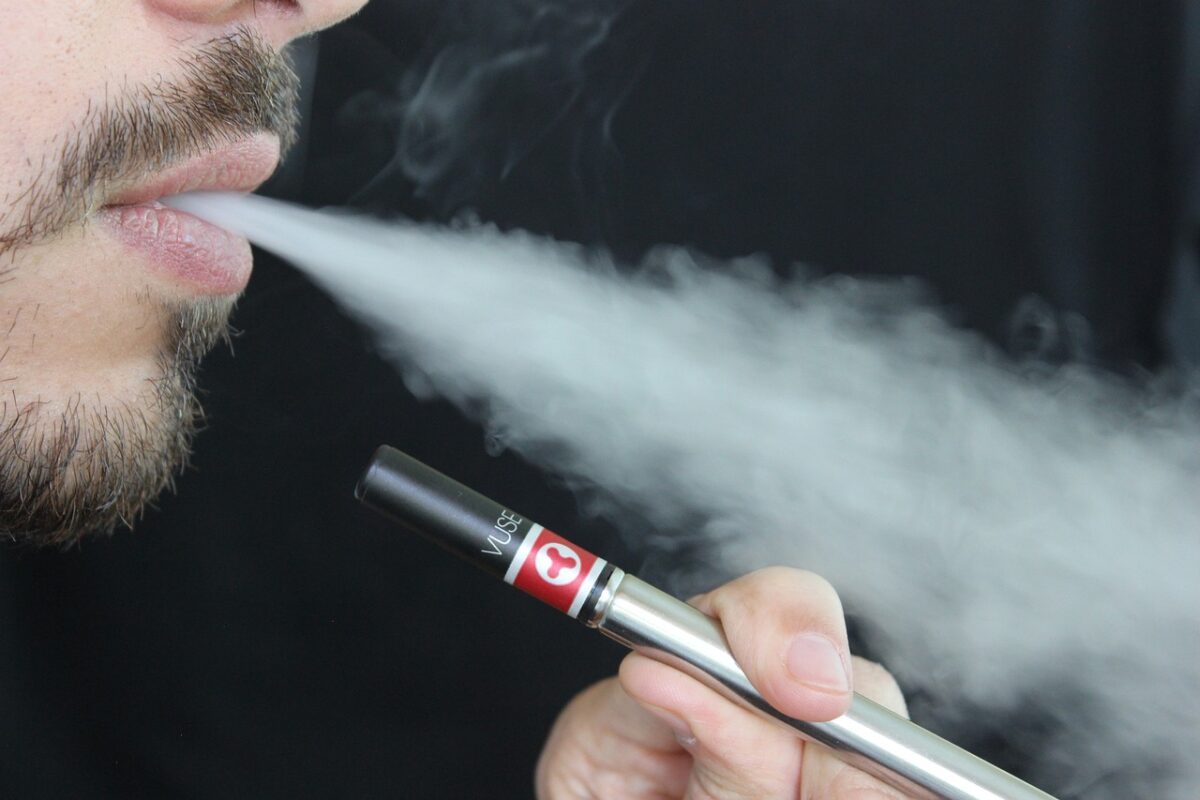
The electronic cigarette, commonly referred to as a “puff,” has taken the tobacco and nicotine market by storm. For many, it represents a modern and healthier alternative to traditional cigarettes. But what exactly is a puff? This term intrigues and sparks curiosity. By digging a little deeper, one discovers a world of innovative technologies, endless flavors, and varied practices that have captivated millions of users around the globe.
The Origins of the Puff
Before understanding what a puff is, it is essential to trace its history and evolution. The electronic cigarette did not come about overnight. It has a rich history that dates back several decades.
The first version of the electronic cigarette was developed by Herbert A. Gilbert in 1963. It was a flame-free, tobacco-free, and smoke-free device, but it was never commercialized. It was only in 2003 that a Chinese pharmacist, Hon Lik, invented the modern version of the electronic cigarette after the death of his father caused by lung cancer. Hon Lik was looking for a less harmful alternative to traditional cigarettes and introduced the first commercially available e-cigarette.
Since then, the technology and design of puffs have evolved significantly. The first generations were bulky and impractical, but current models are sleek, compact, and easy to use.
The Components of a Puff
To fully grasp how a puff works, it is important to look at its various components. Each element plays a crucial role in creating the vaping experience.
- The battery: The power source that powers the device. Modern batteries are rechargeable and have a long lifespan.
- The atomizer: This is the device that heats the liquid to produce vapor. The atomizer contains a coil and a wick.
- The tank: It holds the liquid to be vaped, also known as e-liquid. Tanks vary in capacity depending on the models.
- The drip tip: This is the mouthpiece through which the user inhales the vapor. Drip tips are often interchangeable and available in different materials and designs.
The Different Types of Puffs
There are several types of puffs, each offering a unique experience. Users can choose from a variety of devices based on their preferences and needs.
The most common models are disposable puffs and rechargeable puffs. Disposable puffs are pre-filled with a fixed amount of e-liquid and are discarded once the liquid is depleted. They are convenient for beginners or for those who do not want to deal with refilling or maintenance.
Rechargeable puffs, on the other hand, allow users to replace the e-liquid and recharge the battery. They offer more flexibility and are generally more cost-effective in the long run. Users can choose from a wide range of flavors and nicotine concentrations to customize their experience.
There are also more advanced models, such as mods and pods. Mods are customizable devices that allow users to adjust power, temperature, and other settings for a tailored experience. Pods, on the other hand, are compact and easy-to-use devices, often preferred by users on the go.
The Advantages and Disadvantages of the Puff
Like any technology, the puff has its advantages and disadvantages. By weighing the pros and cons, users can make an informed choice.
- Advantages
- Reduced health risks: Unlike traditional cigarettes, the puff does not contain tobacco. It produces vapor instead of smoke, significantly reducing exposure to toxic and carcinogenic substances.
- Variety of flavors: Puffs offer a wide variety of flavors, ranging from fruits to desserts to beverages. This allows users to vary their vaping experience.
- Less odor: The vapor produced by a puff dissipates quickly and does not leave a lingering smell on clothing or in the environment.
- Disadvantages
- Initial cost: Purchasing a puff, especially advanced models, can represent a relatively high initial investment.
- Maintenance: Rechargeable puffs require some upkeep, such as replacing coils and regular cleaning.
- Risks for youth: The growing popularity of puffs may encourage young people to adopt this behavior, raising public health concerns.
The puff represents a technological advancement in the field of nicotine. Although it is not without risks, it offers an interesting alternative for those looking to reduce their tobacco consumption or quit smoking. By better understanding its operation, components, and implications, everyone can make informed decisions. The puff, with its customization potential and numerous advantages, continues to transform the way people perceive and consume nicotine.