One third of indoor plant owners are unaware of the real cause of their plants’ deterioration, even though free digital solutions already exist. Some applications use artificial intelligence to instantly recognize a disease or pest, while others offer a collaborative database updated in real-time.
With the increasing number of dedicated tools, the choice can quickly become complex. Each application meets specific needs, ranging from simple diagnosis to complete maintenance management. Features vary in precision, accessibility, and richness of information.
Why using an app to care for your plants has become essential
Gardeners, even the most motivated, often find themselves facing a puzzle: insidious diseases, pest attacks, specific water or light requirements. Delicate indoor plants, demanding fruit trees, or simple wild shoots, each species dictates its own rules. It is then difficult not to make mistakes, even with the best intentions. This is where a free app for diagnosing plants comes into play, combining the power of artificial intelligence and image recognition. You photograph a suspicious leaf, an algorithm analyzes the spots, and then provides a diagnosis based on a wealth of data enriched by the scientific and passionate community.
Institutions like INRAE no longer hesitate to create real digital toolboxes to help gardeners make the right decisions. Their expertise is infused into applications that do not just point out a problem: they guide, advise, remind users of the actions to take, and track the progress of each plant. Care management, calendars, targeted recommendations, everything is designed to guide the user, whether they are a beginner or already master the art of gardening.
The user experience becomes smoother thanks to interfaces designed for everyone, enriched by the contributions of thousands of contributors. To better understand what these tools bring, here are some major strengths that set them apart:
- Instant identification of plants, diseases, and pests, supported by AI and extensive image libraries.
- Personalized advice tailored to each species and your growing conditions.
- Sharing observations to advance collective knowledge of biodiversity.
The reliability largely depends on the quality of the photos provided and the robustness of the scientific databases. But it must be acknowledged that the digital tool, always at hand, provides a great service to anyone wanting to keep their plants in top shape. This collective dynamic, fueled by the gardeners themselves, continually expands the reach and accuracy of these applications.
Which free apps truly stand out for identifying and caring for your plants?
The market is full of tools for plant identification or disease diagnosis, but few combine reliability and relevance of advice. Some applications stemming from research and citizen science clearly stand out, thanks to their rich databases, openness, and willingness to cater to both the curious and the passionate.
Among the references, E-phytia, the result of INRAE’s work, offers a agronomic encyclopedia coupled with a reliable online diagnosis, accessible on mobile. It caters to both those who grow a few plants on a windowsill and professionals, with searches by symptoms, species, or pests. The Di@gnoplant module goes further, targeting different plant families and guiding users towards concrete solutions while avoiding systematic chemical treatments.
On its part, Agrio relies on artificial intelligence: a photo is enough to initiate the analysis, enriched by field feedback and the strength of the community. The advice provided emphasizes treatments that respect the environment and prioritize biological or organic methods.
The AGIIR network plays a warning role against invasive insects, relying on a network of vigilant users. As for JardiBiodiv, it invites everyone to observe and document soil biodiversity, transforming each gardener into an actor and sentinel of life. Other specialized tools, such as Diag-Pot for potatoes, Tropilég for tropical crops, or Biocontrol for alternative methods, complete this overview by covering more specific needs.
Everything depends on the quality of your photos and the amount of data shared. But each report, each observation, enriches collective knowledge and contributes to healthier plants in a richer environment.
How to choose the ideal app according to your needs as an amateur or passionate gardener
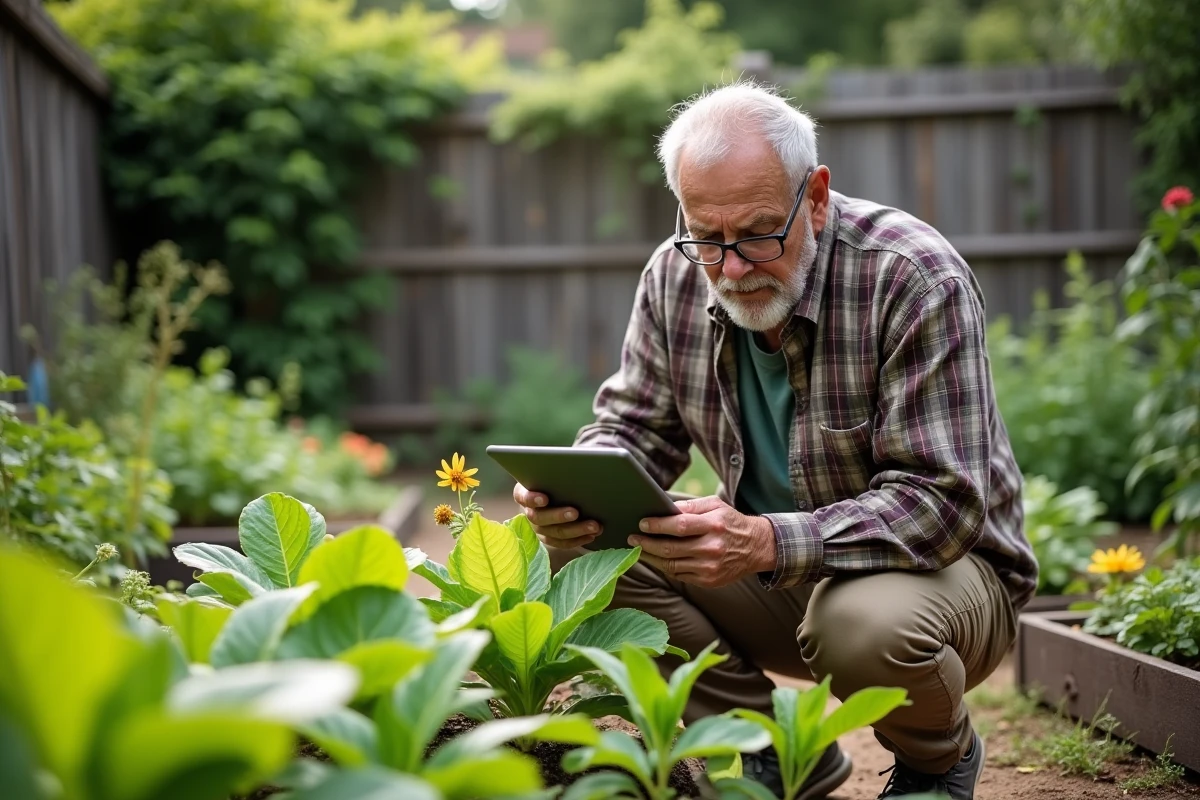
To select the right plant app, it’s best to start by identifying your practices and expectations. If you are a beginner or primarily looking for simplicity, focus on a clear interface, quick photo diagnosis, and care advice tailored to each specimen. Some tools offer watering reminders, care calendars, or even personalized tracking of your plant collection: all assets to structure your daily actions and leave nothing to chance.
Botany enthusiasts, on the other hand, prioritize diagnostic precision and the extent of image database. Being able to recognize not only a species but also its diseases or pests, and even adapt care to exposure or humidity, makes all the difference. Modules for participatory observation or tools dedicated to soil biodiversity allow for long-term monitoring of a garden or vegetable patch, season after season.
The degree of performance of artificial intelligence and the quality of image recognition are crucial: prioritize applications stemming from scientific research programs or those that rely on active contributions from their members. Some go even further by offering specific features based on the type of plant monitored or the uses: trees, wild plants, targeted diagnostics, soil management.
Finally, remember to check compatibility with your device (iOS or Android), to review the privacy policy, and any potential limitations of the service. Free access is not always synonymous with unlimited access: take the time to compare options, consult feedback from experienced users, and choose the tool that best fits your habits and concrete needs.
Now, connected gardening is no longer a gadget. It is a discreet ally, always ready to respond to the slightest alert on a leaf, to the slightest suspicious spot. It is up to each person to seize it to cultivate a greener, more resilient space, and reconnect every day with the magic of plants.